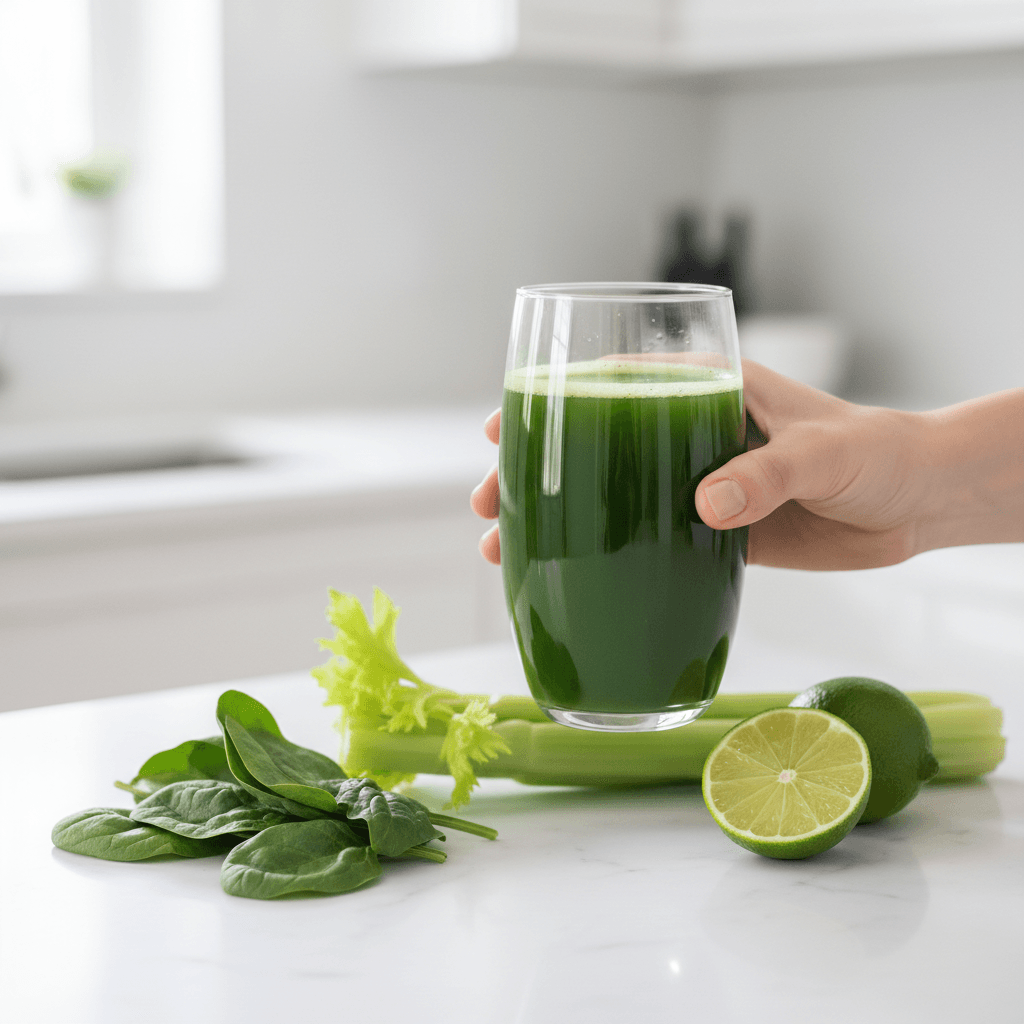
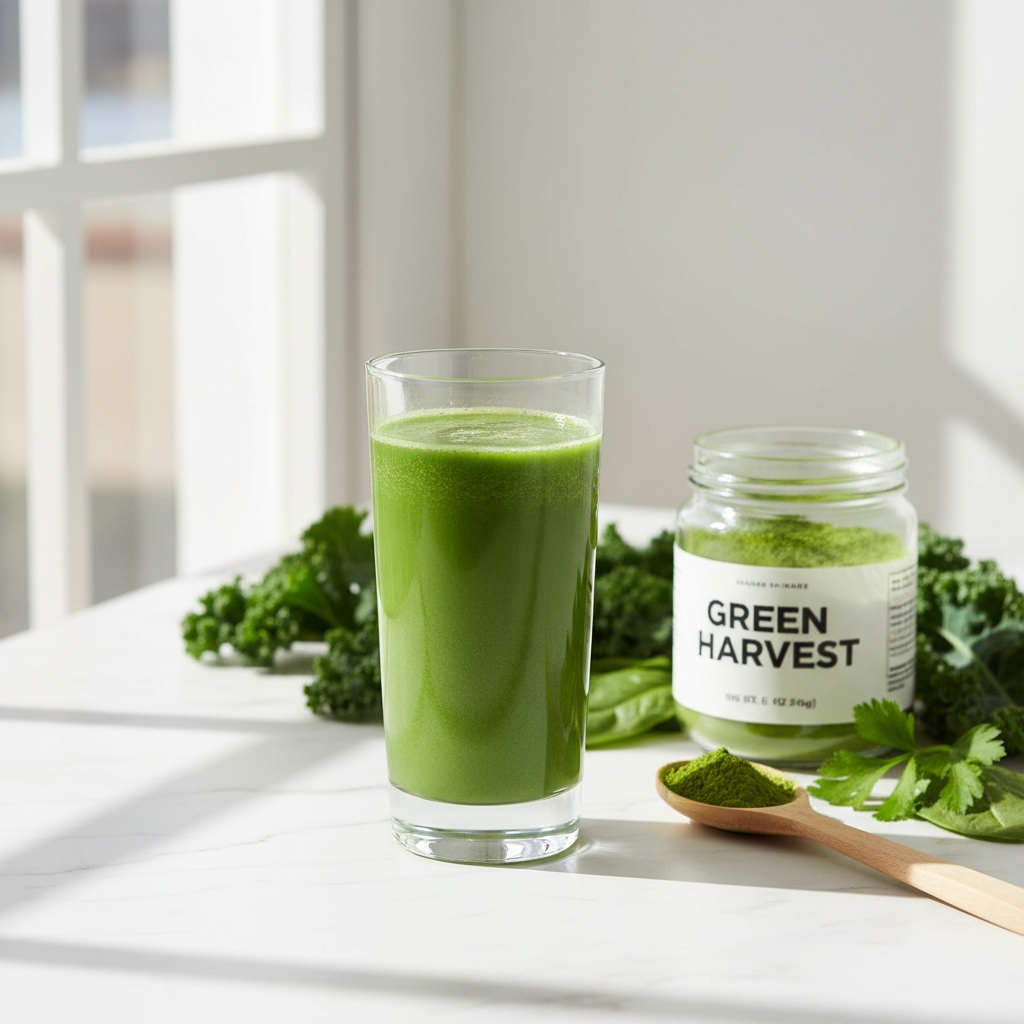
You can find affordable superfood powders by comparing the cost per serving against nutrient density and choosing brands with transparent sourcing rather than expensive marketing. High-quality options do work to enhance wellness when they feature concentrated whole-food ingredients and minimal fillers; checking for third-party testing is essential for confirming true value.
Navigating the wellness aisle often feels like a choice between exorbitant price tags and questionable quality. Many health seekers find themselves investing in premium superfood powders only to realize the ingredients are padded with ineffective fillers. This financial strain often discourages consistent nutrition, yet finding a balance between cost and potency is essential for long term health. Understanding how to distinguish true value from marketing fluff ensures your budget supports your physical goals without compromise. In this guide, we will examine the critical difference between cheap and affordable options; furthermore, you will learn how to identify red flags like synthetic additives. We will also provide a practical framework for calculating price per serving and determining whether targeted blends offer superior benefits compared to broad formulas. By the end, you will have the expertise to build a high quality supplement routine that respects both your health and your wallet.
Defining Value: Why Affordable Superfood Powders Are Not Always Cheap

Many consumers assume a premium price tag guarantees superior results, but in the world of wellness, cost and quality do not always correlate. High marketing budgets and flashy packaging often drive up retail prices without adding a single milligram of nutritional benefit. To find truly affordable superfood powders, you must look past the sticker price and understand the Value Equation: (Ingredient Potency + Bioavailability) divided by Price per Serving.
A product is only a good value if your body can actually use the nutrients it contains. Bioavailability refers to how well a nutrient is absorbed and utilized by your system. If a powder has high concentrations of vitamins but uses low-quality synthetic forms that your gut cannot process, the cost per serving is effectively wasted money. Similarly, you must distinguish between "cheap" powders and "affordable" ones. Cheap powders are often loaded with fillers like maltodextrin, rice flour, or excessive sweeteners used to bulk up the weight of the tub.
In contrast, affordable options prioritize high-impact, bioavailable ingredients that deliver measurable results in areas like energy or digestive support blends. Wherever you live, building a sustainable routine means making smart financial choices. Practical wellness is about finding products that fit a real-world budget while still providing the potency needed to support a busy, high-energy lifestyle. By focusing on the concentration of active ingredients rather than the size of the container, you can ensure your investment in natural wellness supplements yields a genuine return for your health. This approach makes it easier to stick to wellness routine tips long-term.
The Red Flags: How to Spot Fillers and Avoid Wasting Money
Identifying these bioavailable ingredients is only half the battle. To avoid products that drain your wallet without supporting your health, you must learn to spot the red flags that separate high-quality natural wellness supplements from those padded with cheap additives.
Many people ask, "What supplements aren't a waste of money?" The answer lies in transparency and dosage. A supplement is worth the investment when it provides therapeutic amounts of active ingredients without hiding behind vague terminology. One of the most common tactics used to lower manufacturing costs is the use of proprietary blends. When you see a "Superfood Blend" listed as a single total weight (e.g., 5,000mg), the manufacturer is not required to disclose how much of each individual ingredient is included. This often results in "fairy dusting," where expensive ingredients like organic kale or reishi mushrooms are included in tiny, ineffective amounts while the bulk of the powder consists of cheaper components.
To be a savvy shopper, you must scrutinize the "Other Ingredients" section and the order of the supplement facts panel. Ingredients are listed by weight in descending order. If you are buying a greens powder and the first few ingredients listed are maltodextrin, lecithin, or stevia, you are paying a premium for fillers and sweeteners rather than dense nutrition.
Common Red Flag | Why It Is Used | Impact on Value |
|---|---|---|
Maltodextrin | Thickener and bulking agent | High glycemic index; provides zero nutritional benefit |
Proprietary Blends | Hides individual dosages | Masks low amounts of expensive "super" ingredients |
Excessive Lecithin | Improves mixability | Often used to replace more expensive plant powders |
Artificial Colors | Visual appeal | Adds unnecessary chemical load without health benefits |
Focusing on digestive support blends or energy boosters that list specific weights for every herb and vitamin ensures you get what you pay for. By mastering the label, you can find affordable superfood powders that actually perform, making it easier to implement wellness routine tips that produce real results.
Calculating the Real Cost: Price per Serving vs. Price per Tub
To truly master your budget, you must look past the "sticker price" on the shelf. A large container of greens might seem like a bargain, but the real value is hidden within the supplement facts panel. The most accurate way to evaluate affordable superfood powders is by calculating the price per serving. This simple bit of math prevents you from overpaying for a product that requires multiple scoops just to reach a functional dose.
To find the true cost, take the total price of the tub and divide it by the total number of servings listed on the label. This allows you to compare products of different sizes and concentrations objectively.
Product Profile | Sticker Price | Servings per Tub | Cost Per Serving |
|---|---|---|---|
"Budget" Brand | $25.00 | 15 (Requires 2 scoops) | $1.67 |
"Value" Choice | $40.00 | 30 (Requires 1 scoop) | $1.33 |
In this scenario, the $40 tub is actually the smarter choice for your long-term wellness routine tips. Manufacturers often use larger scoops or lower concentrations to make a product seem cheaper upfront, but you end up running out of product twice as fast. When shopping for natural wellness supplements or digestive support blends, always scrutinize the weight of the actual serving. If a powder requires three scoops to deliver 10 grams of nutrients, while a premium alternative does it in one, the more expensive tub provides significantly better longevity and value.
Targeted Blends vs. Kitchen Sink Formulas: Which Offers Better Value?
The math of cost per serving only tells half the story; you must also evaluate what those servings actually contain. A common trend in the industry is the "kitchen sink" formula, where a single product claims to replace your entire supplement cabinet with 75 or more different ingredients. While this sounds like an incredible deal, it often results in a phenomenon known as "fairy dusting." When a manufacturer crams dozens of superfoods into a single ten gram scoop, many of those ingredients are present in such microscopic quantities that they provide no measurable therapeutic benefit. You might be paying for the name of a rare mushroom or a specific berry on the label without receiving enough of it to impact your health.
In contrast, targeted affordable superfood powders provide superior value by focusing on specific health outcomes. By narrowing the scope to digestive support blends or energy focused formulas, a product can include fewer ingredients at significantly higher, functional dosages. For example, if a blend focuses on gut health, it can provide a substantial amount of prebiotic fiber and specific probiotic strains rather than a tiny, ineffective dusting of fifty different greens. This focused approach ensures that the money you spend translates into physical results you can actually feel.
For those building a sustainable routine, investing in natural wellness supplements that do one or two things exceptionally well is more practical than buying a complex formula that does everything poorly. When you choose targeted products, you avoid paying for "label fluff" and ensure your wellness routine tips are backed by ingredients at levels your body can actually use. This efficiency is the cornerstone of real world wellness for our community in Randolph.
Superfood Powders for Weight Loss and Gut Health: What to Look For

Real-world wellness goals often center on two primary objectives: managing weight and improving digestive comfort. When searching for the best greens powder for weight loss, shoppers should prioritize nutrient density and satiety rather than magic fat-burning claims. Effective natural wellness supplements use high-fiber greens like organic alfalfa and wheatgrass to help you feel full; this naturally supports caloric management without the need for expensive, jitter-inducing stimulants.
For gut health, the most valuable affordable superfood powders integrate specific prebiotic fibers, such as inulin or acacia, alongside stable probiotic strains. These ingredients support the microbiome directly, leading to better nutrient absorption and reduced bloating. At AP Health Wellness Hub, we prioritize these tangible, biological outcomes over the vague detox marketing frequently found in the supplement industry. True value comes from ingredients that assist your body’s existing systems, making it easier to follow wellness routine tips that produce physical changes you can actually feel. If you are specifically targeting bloat or irregularity, look for digestive support blends that list specific enzyme counts, such as amylase or lipase, to ensure the product provides functional support for your daily meals.
Why a Trusted Online Store Makes Wellness Easier

The choice of a supplement is often a personal decision, and navigating the vast online marketplace can feel overwhelming. At AP Health Wellness Hub, we bridge the gap between global nutrition trends and the practical needs of everyday shoppers across the country. Unlike massive retailers that prioritize high-volume sales, our focus is on curating natural wellness supplements that fit into a realistic schedule. We understand that people across the United States need wellness routine tips that are easy to implement between work, family, and daily life.
By vetting every product for potency and purity, we ensure our selection of affordable superfood powders provides the results you expect without hidden fillers. We also believe that trying new digestive support blends should not be a financial gamble. Our 30-day money-back guarantee is designed to remove the risk of experimentation. This commitment to satisfaction makes high-quality wellness accessible to anyone, wherever they live, ensuring you only pay for what truly works for your body.
Common Questions About Budget Friendly Superfoods
Many customers ask if green powders are simply a waste of money. They are only a waste if you prioritize a low sticker price over bioavailability. If a powder provides concentrated phytonutrients that you otherwise miss in your daily diet, it serves as a functional tool for your health. However, they are not for everyone. People taking blood thinners like warfarin must be careful because of high Vitamin K levels; similarly, those with chronic kidney disease should consult a physician regarding the potassium and mineral content in certain natural wellness supplements.
For those seeking affordable superfood powders while incorporating whole foods, several "cheap" superfoods offer incredible value for your budget:
Lentils and Beans: Exceptional sources of fiber and plant based protein.
Frozen Spinach: Often more nutrient dense and cheaper than fresh greens that spoil quickly.
Flax and Chia Seeds: Highly affordable sources of Omega-3 fatty acids and fiber.
Pairing these pantry staples with specific digestive support blends maximizes your nutritional ROI. Following these practical wellness routine tips helps you build a high impact, low cost regimen that fits your actual lifestyle.