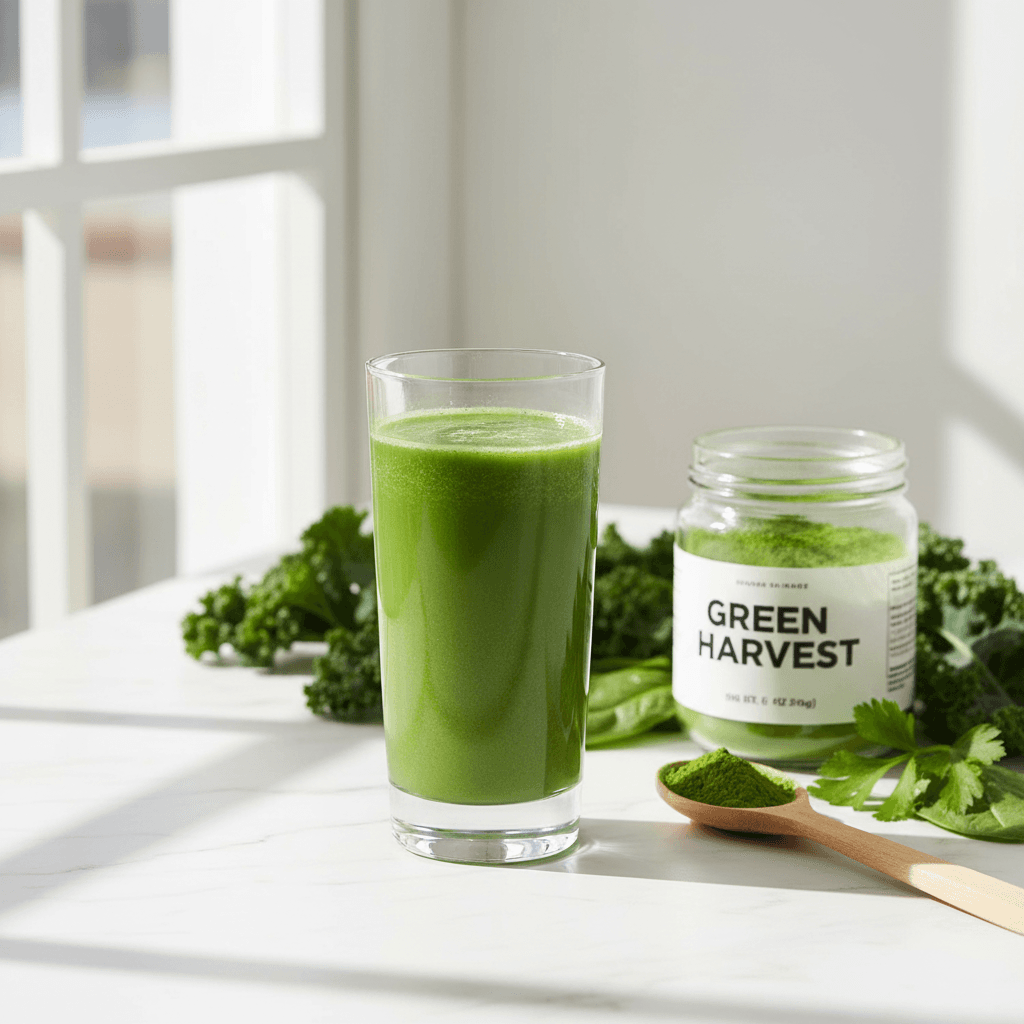

Oral supplements containing collagen for skin effectively improve hydration and elasticity, whereas topical creams are often ineffective because the molecules are too large to penetrate the skin surface. Clinical evidence suggests that bioactive collagen peptides can significantly increase skin firmness and reduce the appearance of wrinkles when ingested regularly.
As skin loses its youthful bounce and fine lines become more pronounced, many individuals find themselves overwhelmed by the sheer volume of anti-aging products claiming to restore vitality. Collagen is undeniably the structural scaffolding of healthy dermis, yet the scientific effectiveness of topical applications versus oral ingestion remains a point of significant debate. Understanding how to properly support your body’s natural production is essential for achieving visible results rather than simply investing in marketing trends. This guide examines the clinical reality behind collagen peptides and topical formulations. You will learn how these interventions affect skin tightening and crepey texture, their impact on hair and nail health, and how to construct an evidence-based routine that avoids the most common industry pitfalls.
The Science of Collagen: Why Your Skin Needs It
Collagen is the most abundant protein in the human body, acting as the fundamental structural scaffolding that keeps our skin firm, plump, and resilient. Within the dermis, it forms a dense network of fibers that support the skin's surface. Think of it as the interior framing of a house; when the frame is strong, the exterior remains smooth and secure. Without this internal support, the surface begins to sag and lose its ability to bounce back.
Biology dictates a significant shift in our mid 20s. At this stage, the body's natural production of collagen begins to taper off by approximately 1 percent every year. This gradual decline is what eventually leads to the visible signs of aging, including fine lines, deeper wrinkles, and a noticeable loss of elasticity. While there are at least 16 types of collagen, about 80 to 90 percent of the collagen in the body consists of Types I, II, and III. For those focusing specifically on collagen for skin, Types I and III are the primary players. Type I provides structural integrity, while Type III supports the elasticity and firmness of youthful skin.
In our corner of Massachusetts, environmental factors often accelerate these biological changes. The harsh winters in Randolph bring biting winds and low humidity levels that strip moisture from the dermis. This environmental stress can compromise the skin's natural barrier, making the underlying collagen fibers more susceptible to degradation. Supporting your body with natural wellness supplements is not just about aesthetics; it is about reinforcing that barrier against the elements to maintain hydration and strength throughout the changing seasons. Understanding this foundation is the first step in building a wellness routine that actually delivers results.
Topical Collagen Creams: Do They Really Sink In?
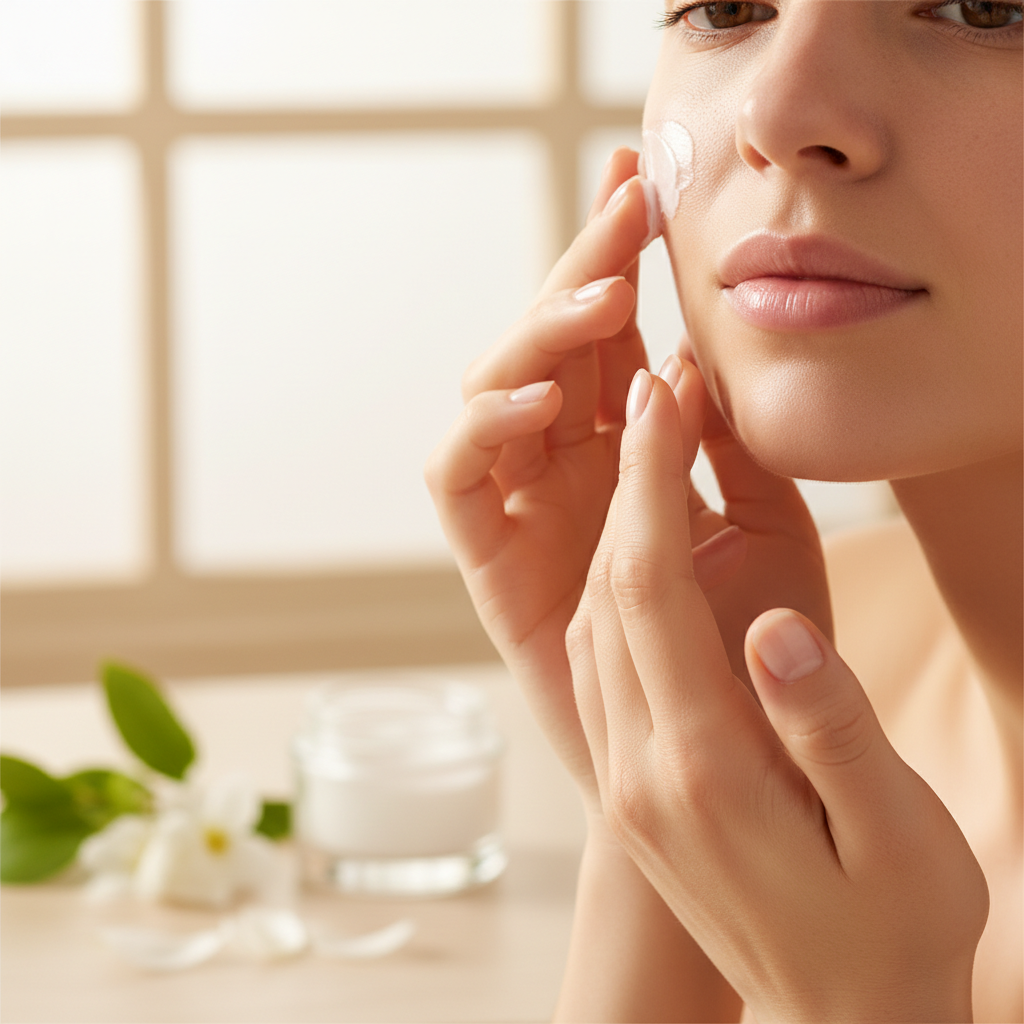
A common point of debate on skincare forums like Reddit involves the efficacy of collagen-infused lotions and serums. The skepticism is scientifically grounded. Collagen is a massive protein with a high molecular weight, typically around 300,000 Daltons. To penetrate the stratum corneum and reach the dermis where structural changes occur, a molecule generally needs to be smaller than 500 Daltons. Because of this size disparity, the collagen in your favorite cream cannot physically sink deep enough to merge with your skin's existing protein scaffolding.
This scientific reality does not mean these products are without merit. While they do not technically add collagen for skin density, they serve as exceptional humectants. When applied topically, collagen molecules sit on the surface and act as a moisture magnet, drawing hydration into the outer layers. This provides an immediate, albeit temporary, plumping effect that can soften the look of fine lines and create a smoother canvas. For those in Randolph dealing with the dehydrating effects of indoor heating or seasonal windburn, these creams offer a practical way to reinforce the skin's moisture barrier as part of a daily wellness routine.
To achieve true structural stimulation rather than just surface hydration, practitioners often turn to retinoids. Unlike topical collagen, retinoids are small enough to reach deeper layers where they signal the skin to accelerate its own natural production process. If you are looking for a way to actually increase the amount of collagen within your body, you must shift your focus from what you put on your skin to what you put in your body. Integrating natural wellness supplements provides the internal support necessary to fuel the biological pathways that creams simply cannot reach.
Collagen Supplements: The Evidence for Oral Peptides
While topical applications have their place, the scientific community has increasingly turned its attention toward the systemic impact of oral supplementation. Sources like Harvard Health and the National Institutes of Health (NIH) have reviewed studies suggesting that specific forms of ingestible collagen can indeed influence skin health from the inside out. The key to this efficacy lies in the process of hydrolysis. Raw collagen is a massive protein; however, hydrolyzed collagen peptides are broken down into much shorter chains of amino acids. This smaller molecular size significantly increases bioavailability, allowing the peptides to be absorbed through the gastrointestinal tract and enter the bloodstream.
Once these peptides are absorbed, they trigger a two fold response. First, they provide the specific amino acid building blocks, primarily proline, glycine, and hydroxyproline, that your body requires to manufacture its own collagen fibers. Second, these peptides can act as signals to the body's fibroblasts, which are the cells responsible for collagen production, encouraging them to increase their output. Optimizing your gut health with superfood blends for digestion can further ensure that these peptides are efficiently processed and utilized by your system. This internal mechanism addresses the root cause of aging rather than just masking the symptoms. By providing these essential resources through natural wellness supplements, you are essentially restocking the pantry so your body has the raw materials needed for cellular repair.
Recent clinical trials have demonstrated measurable results from this approach. A meta analysis published in the Journal of Drugs in Dermatology reviewed multiple randomized controlled trials and found that oral collagen supplementation significantly improved skin elasticity and hydration levels. Unlike the temporary plumping of a cream, these improvements reflect a genuine increase in the density of the dermal layer. For residents in the Northeast who face constant environmental stressors, adding a high quality peptide to a daily wellness routine offers a scientifically backed method to maintain a resilient complexion. It is not just about the appearance of the surface, it is about supporting the biological structures that keep your skin firm and functional over time.
Collagen Peptides for Skin, Hair, and Nails
The systemic nature of oral peptides means the benefits extend far beyond the face to all keratinized structures. Nails often show the most immediate results. Clinical data published in the Journal of Cosmetic Dermatology suggests that daily supplementation can increase nail growth by 12 percent and reduce the frequency of broken or brittle nails by 42 percent after 24 weeks. This occurs because the amino acids provided by natural wellness supplements directly support the nail matrix, creating a more resilient structure from the root.
For hair, collagen provides the specific proline needed to produce keratin, which may result in a more robust hair shaft. Many people starting a new wellness routine wonder how to track their progress since the changes are cumulative rather than instant. Identifying the specific markers of success helps in maintaining consistency throughout the process.
The five primary signs that your supplementation of collagen for skin and body is working include: 1. Improved skin hydration: A noticeable reduction in surface flakiness or chronic dryness. 2. Stronger nails: A significant decrease in brittleness, chipping, and peeling. 3. Less hair shedding: Fewer strands found in brushes or shower drains over time. 4. Smoother skin texture: A visible softening of fine lines and a more even, refined surface. 5. Joint comfort: Improved ease of movement and less stiffness during daily activities around Randolph.
Collagen for Skin Tightening and Crepey Skin
As you transition from tracking hair and nail growth to observing changes in skin laxity, the focus shifts toward dermal thickness. Crepey skin, often described as having the texture of thin tissue paper, occurs when both collagen and elastin fibers in the dermis become sparse and fragmented. This loss of structural density is particularly visible in areas where the skin is naturally thin, such as the neck, décolletage, and the underside of the arms. To address this, high quality collagen peptides for skin elasticity work by targeting the fibroblasts, encouraging them to produce the robust Type I fibers that provide tension and firmness.
It is essential to maintain realistic expectations regarding the results of non invasive support. While natural wellness supplements are not a surgical facelift and cannot reposition deep tissue, they significantly improve the surface quality and 'bounce' of the skin. By increasing dermal density from the inside, the skin appears less translucent and more resilient. This structural reinforcement helps to smooth out the fine, crinkled texture associated with aging and sun damage.
Visible improvements in skin tightening do not happen overnight. Clinical observations suggest that it typically takes 8 to 12 weeks of consistent daily use to see a measurable difference in skin firmness and the reduction of a crepey appearance. This timeline aligns with the natural turnover of skin cells and the time required for new protein chains to integrate into the dermal matrix. Incorporating these peptides into a dedicated wellness routine provides the steady supply of amino acids necessary to rebuild that lost density, moving the skin from a fragile state to one that feels noticeably stronger and more refined.
How to Build a Routine You Can Actually Stick To

At AP Health Wellness Hub, we believe wellness must be practical to be effective. A complex, multi-step program often fails because it does not account for the realities of a busy life in Randolph. To see genuine results from collagen for skin, the most critical factor is not the specific hour of the day you choose, but your ability to repeat the habit daily for several months. While many of our customers prefer stirring peptides into a morning coffee to kickstart their day, others find a warm herbal tea at night more soothing. The best time to take your supplement is whenever you are most likely to remember it.
Successful supplementation requires more than just the protein itself. Vitamin C is a mandatory co-factor for collagen synthesis; without it, the body cannot effectively stabilize the triple helix structure of the collagen molecules you are trying to build. You can ensure this biological process works efficiently by pairing your natural wellness supplements with a daily wellness routine that includes Vitamin C-rich foods or targeted nutrients.
To maximize your body's repair capacity, consider a holistic approach that supports nutrient absorption. Integrating superfood blends for digestion helps ensure your gut is primed to break down and utilize these peptides. When your system has a steady supply of both the amino acid building blocks and the necessary catalysts, dermal repair becomes a simple, automated part of your lifestyle.
Common Mistakes: What to Avoid When Taking Collagen
Integrating supplements into your life is a significant first step, yet several common pitfalls can neutralize your progress. One of the most overlooked factors is dietary sugar. High sugar intake leads to a process called glycation, where sugar molecules attach to proteins in the blood to form Advanced Glycation End products (AGEs). These molecules make the collagen fibers in your skin brittle and prone to breakage, directly counteracting the benefits of your supplements.
Environmental protection is equally vital. Ultraviolet radiation from sun exposure triggers enzymes that actively break down your skin's structural proteins. If you are not pairing your natural wellness supplements with daily SPF, you are essentially losing collagen faster than your body can synthesize it. Finally, sporadic usage remains a top reason why people fail to see results. Dermal density requires a cumulative supply of amino acids; skipping days prevents the steady signaling required for fibroblasts to stay active. View your wellness routine as a comprehensive ecosystem where collagen for skin is one piece of a larger puzzle involving sleep, hydration, and sun safety.