Common vitamin d deficiency symptoms include persistent fatigue, bone and joint pain, muscle weakness, and noticeable mood changes. Maintaining adequate levels through sunlight or supplements, typically up to 4,000 IU daily for adults, helps prevent these issues and supports overall energy.
The short days and persistent gray skies of a Randolph winter often bring more than just a chill; they frequently usher in a profound sense of exhaustion and a lingering low mood that sleep cannot fix. While many dismiss these feelings as simple winter blues, they often signal a significant decline in serum vitamin D levels caused by limited sun exposure. Addressing this deficiency is essential for maintaining bone density, immune function, and mental clarity during the coldest months. In this guide, we will explore the common and surprisingly subtle symptoms of vitamin D deficiency, ranging from muscle aches to unexpected anxiety. You will also learn the optimal ways to supplement, including precise dosages and dietary strategies to ensure maximum absorption; this information empowers you to reclaim your energy and stabilize your mood before spring arrives.
Why Randolph Winters Make Vitamin D a Real Challenge
Living in Randolph, Massachusetts, means embracing the beauty of the Blue Hills Reservation; however, it also means facing a biological hurdle known as the Vitamin D Winter. From early November through March, the sun sits at such a low angle in our sky that the atmosphere filters out the UVB rays required for your skin to produce Vitamin D. Even on a clear, crisp afternoon, it is physically impossible for your body to synthesize this nutrient naturally at our latitude.
This seasonal shift creates a significant lifestyle change. We transition from active summer evenings to shorter days spent primarily indoors. Unlike a typical vitamin, Vitamin D functions as a pro-hormone that regulates hundreds of pathways in the body. It is a cornerstone for everyday confidence and healthy skin and serves as the primary driver for your immune system and metabolic energy. When you lack this solar fuel, you may notice the onset of vitamin d deficiency symptoms that disrupt your daily routine. Incorporating natural wellness supplements into your regimen during these months is not just a trend; it is a practical necessity to maintain real life performance when the Massachusetts climate limits your natural supply. Finding superfood blends or daily vitamins that fit your schedule ensures you aren't left drained by the local environment.
Common Vitamin D Deficiency Symptoms to Watch For

When the local landscape shifts toward winter, it is easy to blame your lack of energy on the holiday rush or a busy work week. However, one of the most pervasive vitamin d deficiency symptoms is a deep, persistent fatigue that eight hours of sleep cannot resolve. This is not just a typical afternoon slump; it is a systemic lethargy that makes every daily task feel heavier than it should. Because Vitamin D is essential for the mitochondria, the powerhouses of your cells, to function efficiently, a deficiency leaves you running on a nearly empty battery regardless of how much rest you get.
Beyond simple tiredness, many residents in the South Shore area experience unexplained aching in their bones and joints, particularly in the lower back and legs. There is a specific biological reason for this discomfort. Vitamin D acts as the key that unlocks your body's ability to absorb calcium from your diet. Without sufficient levels, your body cannot effectively maintain bone density. This often manifests as a dull, throbbing sensation that feels deep within the skeletal structure rather than just on the surface of the muscle. This bone tired feeling is a physical signal that your internal mineral balance is struggling to stay afloat.
You may also notice a generalized muscle weakness that affects your everyday confidence and healthy skin. If climbing the stairs at home or carrying groceries feels uncharacteristically taxing, your muscles might be lacking the hormonal support they need to contract and recover. Identifying these signs early is a practical step toward reclaiming your vitality. Integrating natural wellness supplements into your morning routine can help bridge the gap when the Massachusetts sun is insufficient. It is about recognizing that your body isn't just getting older or stressed. It is reacting to a documented physiological drain that can be managed with consistent, simple interventions like high quality superfood blends or targeted daily vitamins.
The Mood Connection: Vitamin D for Winter Depression and Anxiety

While physical fatigue is a major indicator of a lack of sunlight, the psychological toll of the season is often more disruptive to real life. The link between Vitamin D for winter depression and anxiety is rooted in your brain’s basic biology. Researchers have identified Vitamin D receptors in the same areas of the brain involved in both depression and the regulation of serotonin, the neurotransmitter often called the body's natural mood stabilizer. Without sufficient levels, your brain’s ability to synthesize these critical chemicals is compromised, leading to a persistent sense of unease or a low mood that feels impossible to shake.
This shift is more than just a passing case of the winter blues; it is a physiological response to a missing pro-hormone. When your serotonin pathways are under-supported, it directly impacts your everyday confidence and healthy skin. You might find yourself feeling uncharacteristically anxious or less resilient when facing daily stressors in Randolph. Incorporating natural wellness supplements or vitamin-rich superfood blends into your morning routine provides the chemical support your brain needs to maintain a balanced outlook. By addressing the root cause of these vitamin d deficiency symptoms, you move beyond simply surviving the winter and toward a practical strategy for mental clarity and emotional consistency.
Unexpected and Weird Symptoms of Vitamin D Deficiency
Beyond the common signs of fatigue and low mood, a lack of this nutrient often manifests in ways that seem entirely unrelated to seasonal light. For instance, the connection between Vitamin D deficiency and hair loss is a common yet frequently overlooked signal. Vitamin D plays a vital role in the hair follicle cycle because it stimulates both new and old hair follicles to grow. When levels are chronically low, this cycle slows down, leading to noticeable thinning or shedding. This often undermines your everyday confidence and healthy skin, especially when you cannot pinpoint the cause.
Another unexpected symptom involves your metabolic health. Research indicates that Vitamin D receptors are present in fat cells, and low levels can interfere with how your body stores fat and responds to insulin. This direct link to weight gain makes it harder to maintain your fitness goals even with a disciplined diet. It is a physiological barrier that requires natural wellness supplements to overcome during the dark Massachusetts winters.
You should also pay attention to how your body recovers from minor stress. If you notice slow wound healing after a small scrape or find yourself catching every cold that circulates through Randolph, your immune system is likely under-supported. Vitamin D is essential for the production of antimicrobial proteins that fight infections. When these unusual vitamin d deficiency symptoms appear, they act as a comprehensive warning system for your whole body. Integrating superfood blends or targeted vitamins into your daily routine addresses these systemic issues, ensuring your body has the raw materials needed to function at its peak.
How Much Vitamin D Should I Take in Winter?
Determining the right dosage is a balance between maintaining health and correcting an existing deficit. The Mayo Clinic and the NHS generally suggest a baseline of 600 to 1,000 IU daily for most adults to support everyday confidence and healthy skin. However, for those already experiencing vitamin d deficiency symptoms during a Randolph winter, these maintenance levels are often insufficient to move the needle. Clinical data frequently suggests that therapeutic doses between 2,000 and 4,000 IU are necessary to effectively raise blood levels back to a functional range when the sun is not an option.
If you are wondering, "Can I take 2,000 IU of vitamin D3 everyday?" the answer is generally yes for most adults during the darker months, but you should always verify your specific requirements with a healthcare professional through a simple blood test. When selecting natural wellness supplements, ensure the label specifies Vitamin D3 (cholecalciferol) rather than D2 (ergocalciferol). Research indicates that D3 is significantly more effective at increasing and maintaining your body's overall Vitamin D status because it is the same form your skin produces naturally. Integrating these high quality superfood blends or concentrated capsules into your routine ensures you are using the most bioavailable form to combat seasonal depletion and maintain your metabolic health.
Maximizing Absorption: When to Take Vitamin D and What to Eat
Selecting the right dose is only half the battle; how you take it determines if your body actually uses it. A common question from our Randolph community is whether to take Vitamin D in the morning or at night. From a practical wellness standpoint, the best time is whenever you consume your largest meal. Because Vitamin D is fat soluble, it requires dietary fat to cross the intestinal lining and enter the bloodstream. Taking it on an empty stomach can significantly reduce its effectiveness, potentially wasting half the dose.
To maximize results, pair your natural wellness supplements with healthy fats like avocado, walnuts, or eggs. While you can find Vitamin D in foods such as wild caught salmon, mackerel, and pasture raised egg yolks, relying solely on diet during a Massachusetts winter is rarely sufficient. Most food sources provide only a fraction of the daily requirement needed to reverse lingering vitamin d deficiency symptoms. Utilizing superfood blends alongside a fat rich breakfast ensures the nutrient is absorbed efficiently, supporting your everyday confidence and healthy skin even when the sun is nowhere to be found.
Building a Routine You Can Actually Stick To

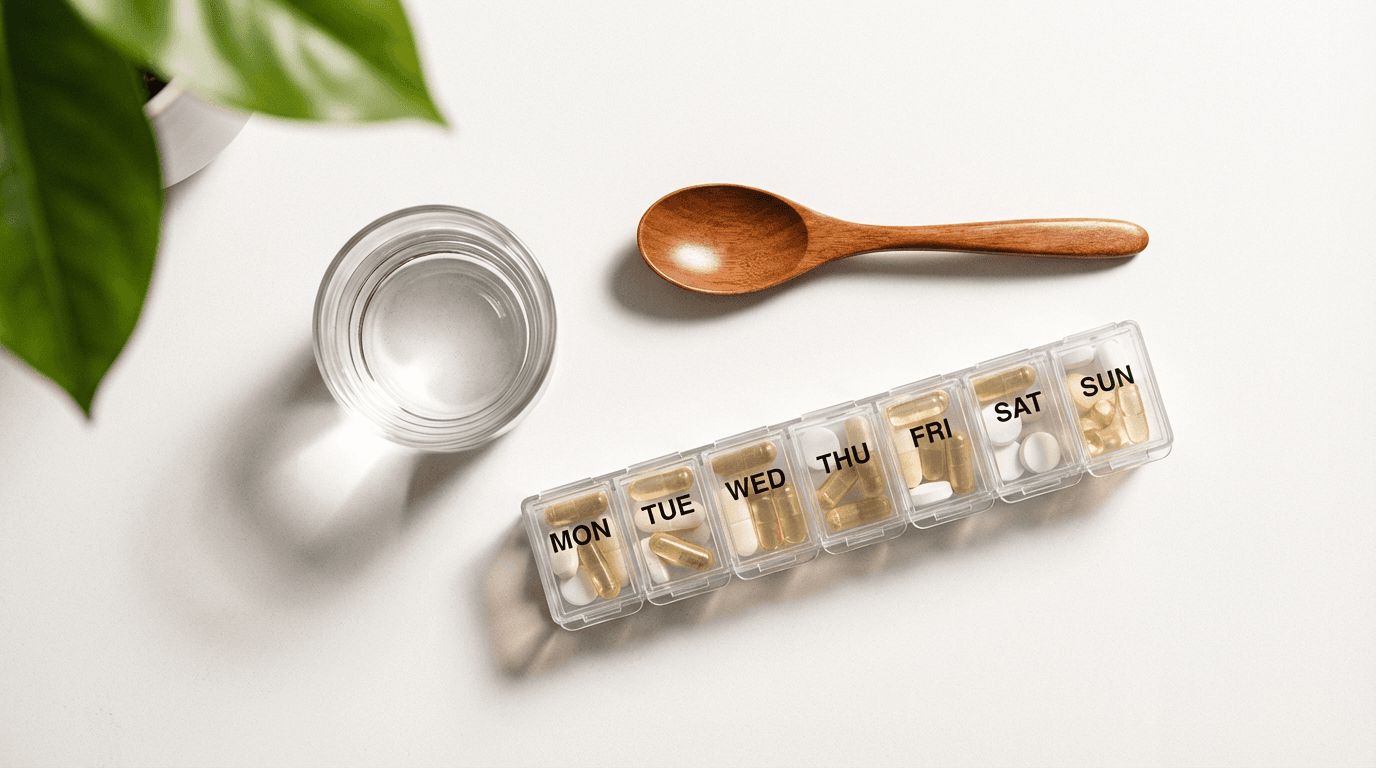
Consistent application is the bridge between recognizing vitamin d deficiency symptoms and actually feeling better. At AP Health Wellness Hub, we prioritize routines designed for real life. The most effective way to maintain your levels is to anchor your Vitamin D intake to a pre-existing habit. You might place your bottle next to your morning coffee or stir your D3 drops directly into your superfood blends during breakfast. This method of habit stacking ensures your natural wellness supplements become an automatic part of your day rather than another chore to remember.
Following our 30 day consistency rule is vital; it often takes a full month of daily supplementation for the body to stabilize and for you to notice a shift in your everyday confidence and healthy skin. By committing to this simple daily ritual, you provide your body with the steady, reliable support it needs to navigate a Randolph winter. Wellness is not about a one-time fix, but about building a sustainable foundation you can actually stick to.