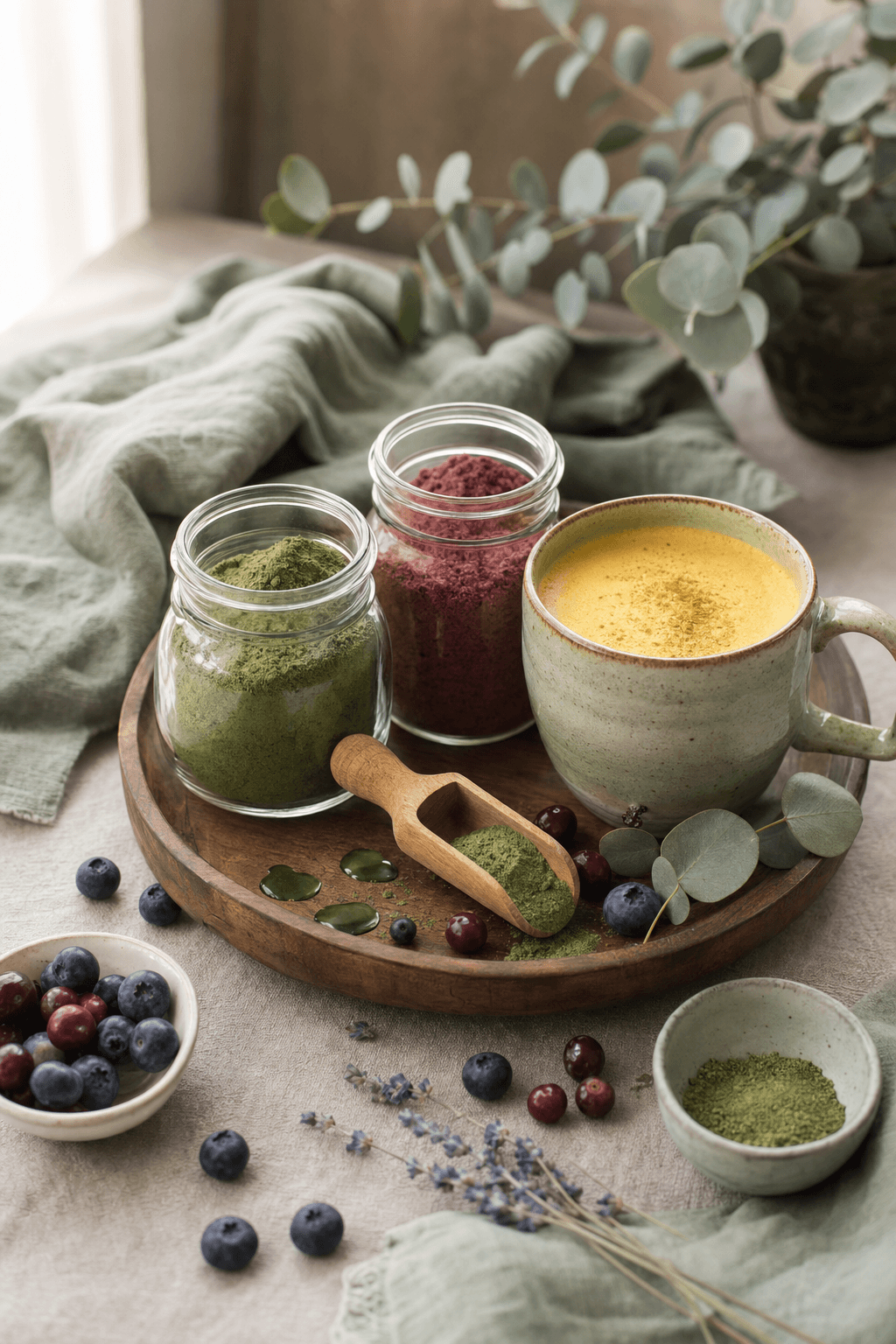
Beginners should start with a half-serving daily to allow the digestive system to adapt to the high fiber and probiotic content. To effectively learn how to start taking greens powder beginners should gradually increase to a full dose over two weeks while staying hydrated to minimize common side effects such as bloating or gas.
Starting a daily greens routine often begins with high expectations for energy and vitality, yet many newcomers are met with unexpected bloating or digestive discomfort. These initial side effects are common hurdles that frequently discourage beginners before they experience the full benefits of their investment. Bridging the gap between your current diet and a concentrated intake of micronutrients requires a measured, science backed approach to ensure long term success. In this guide, we provide a comprehensive 14 day roadmap designed to help your body adapt seamlessly. You will discover how to identify normal adjustment symptoms versus potential red flags, the most effective methods for improving flavor, and strategic timing for optimal nutrient absorption. Whether you are looking to boost daily fiber or enhance your micronutrient profile, this professional protocol ensures a smooth transition into your new wellness habit.
Why Your Body Reacts When Starting Greens Powder
When you learn how to start taking greens powder beginners often dive in with a full scoop on day one, expecting immediate energy. Instead, they might encounter a noisy stomach or a bit of bloating. This happens because high quality natural wellness supplements are more than just dried vegetables; they are incredibly concentrated sources of plant fiber, prebiotics, and active digestive enzymes. Introducing these nutrients all at once triggers what we call a microbiome makeover.
Your gut contains trillions of bacteria that have grown accustomed to your current diet. When you suddenly introduce potent superfoods like spirulina or wheatgrass, these microbes must recalibrate. Spirulina is a nutrient dense algae that can stimulate the digestive tract, while wheatgrass provides a concentrated dose of chlorophyll and enzymes that promote internal cleansing. This sudden influx of fermentable substrates means your gut bacteria are working overtime to break down these new compounds.
At AP Health Wellness Hub, we view these initial shifts differently than many other brands. While others might focus solely on the negative aspects of the adjustment period, we see these signals as evidence of your body adapting to a more nutrient dense environment. It is a physiological sign that the functional ingredients are interacting with your system. The goal is not to avoid this reaction entirely but to manage the pace of the transition. By understanding that your digestive system is essentially undergoing an upgrade, you can approach the first week with patience. This adjustment period is the necessary first step in building a routine that supports long term vitality and digestive health.
Normal Adjustment vs Red Flags: What to Expect in Week One

Understanding the difference between your body finding its rhythm and a genuine adverse reaction is essential when learning how to start taking greens powder beginners can actually sustain. During the first week, your digestive system is essentially recalibrating. This often results in adaptation symptoms that might feel inconvenient but are typically harmless and temporary signs of progress.
For example, do not be alarmed if you notice a vibrant green tint in your stool; this is simply the natural chlorophyll from ingredients like spirulina and chlorella passing through. Similarly, a small amount of extra gas or a slight feeling of fullness is a sign that your gut bacteria are processing the new influx of fiber and prebiotics. To help you navigate these first seven days, refer to this guide on what to expect:
Symptom Category | Normal Adjustment | Red Flags (Consult a Professional) |
|---|---|---|
Digestion | Mild gas or a "noisy" stomach | Severe, sharp abdominal cramping |
Bowel Habits | Changes in color or frequency | Persistent diarrhea or urgent loose stools |
Skin & Sensation | No significant changes | Itchy skin, hives, or visible rashes |
Duration | Subsides within 3 to 5 days | Persists or worsens after one week |
One of the most common questions we hear at AP Health Wellness Hub is, "Can greens powder make you sick?" The answer depends on the intensity of the symptoms. While the transition can cause temporary discomfort, it should never feel like a stomach flu or food poisoning. If you experience persistent diarrhea, it may be a reaction to specific natural laxatives or high doses of magnesium found in some lower quality bulk blends.
Furthermore, hidden allergens are a frequent cause of adverse reactions. Many generic powders use soy lecithin as an emulsifier or contain traces of gluten from barley or wheat sources. If you have a known sensitivity, these can trigger allergic responses like rashes or systemic inflammation. We design our natural wellness supplements to be practical for real life, which means prioritizing clean labels. If a symptom feels extreme, it is always better to pause, check the ingredient list for hidden allergens, and consult your healthcare provider before continuing.
The 14 Day Beginner Roadmap to Success
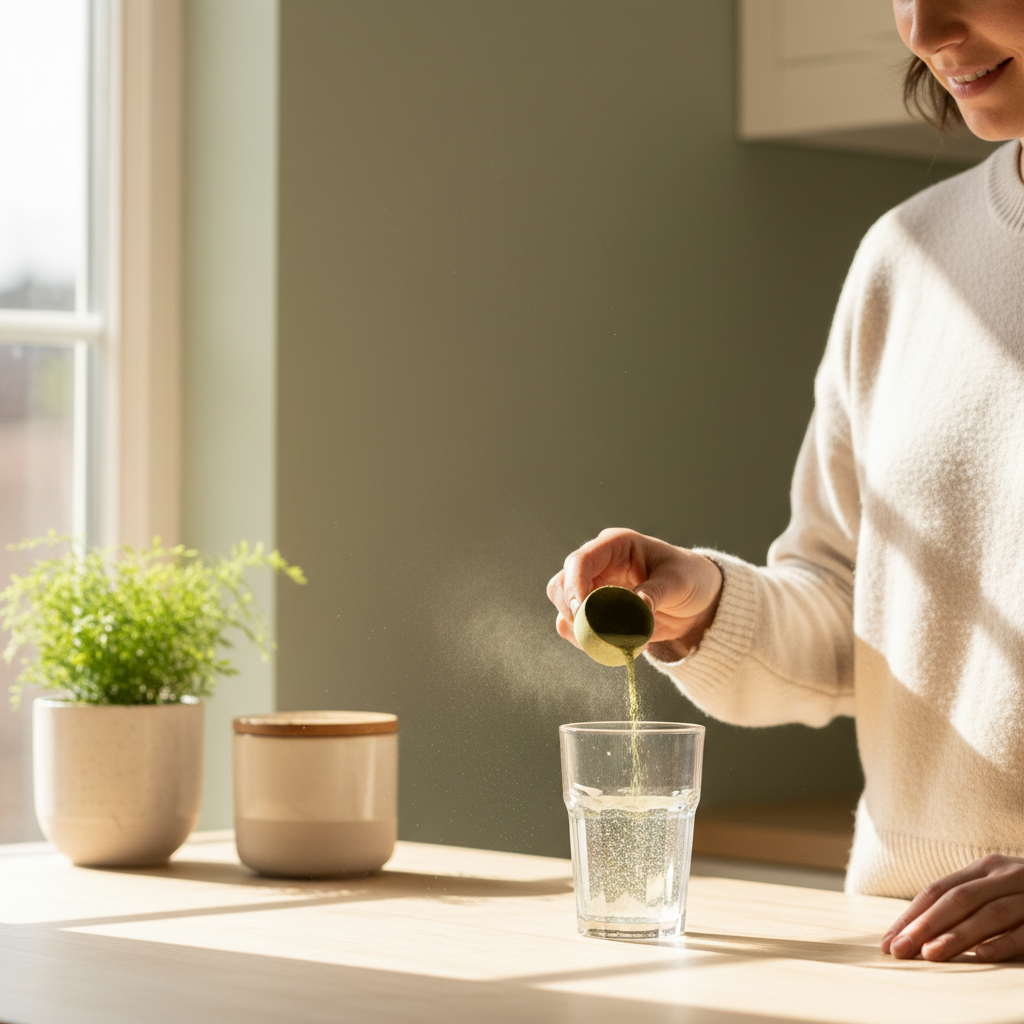
Building a lasting habit requires a strategy that respects your body’s current baseline. Most people fail because they treat high potency natural wellness supplements like a race rather than a ritual. To ensure your system integrates these concentrated nutrients without distress, we recommend following a structured 14 day titration plan. This roadmap is designed to help you understand how to start taking greens powder beginners can actually tolerate, moving from cautious introduction to full daily integration.
### The 14-Day Adjustment Schedule
Phase | Timeline | Dosage | Hydration & Food | Strategy |
|---|---|---|---|---|
Phase 1: Introduction | Days 1 to 3 | 1/4 Scoop | With a full meal | Focus on gentle gut introduction |
Phase 2: Acceleration | Days 4 to 7 | 1/2 Scoop | Add 16oz extra water | Support fiber movement |
Phase 3: Integration | Days 8 to 14 | Full Scoop | Flexible timing | Identify your peak energy window |
During Days 1 to 3, focus exclusively on the "Quarter Scoop" phase. It might seem tempting to take more, but this small dose allows your microbiome to recognize the new enzymes and prebiotics without triggering significant bloating. Always mix this portion with a full meal, such as breakfast or a dense lunch, to provide a physical buffer for the concentrated vitamins. This approach minimizes the risk of the mild nausea often associated with starting a new supplement routine.
Transitioning into Days 4 to 7 marks the "Acceleration" phase. Increase your intake to a half scoop and, crucially, increase your daily water intake by at least 16 ounces. The fiber in greens powder acts like a sponge; it needs adequate hydration to move efficiently through your digestive tract. Without this extra water, you may experience sluggishness or mild constipation as your body processes the new plant material.
Finally, during Days 8 to 14, you can move to a full scoop. Use this week to experiment with timing. Some people find that a morning serving provides the best energy boost, while others at AP Health Wellness Hub prefer it in the mid-afternoon to curb cravings. By day 14, your gut should be fully recalibrated, allowing you to enjoy the full spectrum of superfood benefits as a natural, seamless part of your day.
Strategic Timing: With Food or on an Empty Stomach
Building the 14 day habit involves more than just measuring the right amount; you must also consider the environment of your stomach at the moment of consumption. Many people experience a wave of nausea shortly after their first serving, leading them to mistakenly believe the product is not right for them. In reality, this queasiness is often a direct result of taking highly concentrated natural wellness supplements on a completely empty stomach.
The vitamins, minerals, and digestive enzymes in greens powder are incredibly potent. Much like taking a high quality multivitamin before eating, consuming these nutrients without a physical buffer can irritate the sensitive lining of the stomach. This rapid influx of concentrated compounds, such as magnesium and fat soluble vitamins, can trigger a temporary sensation of motion sickness as the body attempts to process them in isolation.
To avoid this common beginner pitfall, the experts at AP Health Wellness Hub recommend taking your greens mid breakfast or with a small, healthy snack. Even a few bites of yogurt, half an avocado, or a handful of almonds provides the necessary barrier to slow down nutrient absorption. This buffered approach ensures your digestive system can handle the nutrient density comfortably, making it much easier to stick to the routine you are building.
How to Mix Greens Powder So It Actually Tastes Good

The most frequent barrier to a consistent routine is the flavor profile. Many people describe the taste of raw superfood blends as earthy or grass like, which can be a deterrent during the initial adjustment phase. At AP Health Wellness Hub, we design our natural wellness supplements to be practical for real life. This means you do not need an industrial blender or a complicated recipe to enjoy your daily boost.
To master how to start taking greens powder beginners should use one of these three proven mixing strategies:
The Fruit Mask: Stir your powder into six ounces of cold orange or pineapple juice. The natural acidity and sweetness of these juices effectively neutralize the bitterness of ingredients like wheatgrass and chlorella.
The Creamy Blend: Use unsweetened almond milk and half a mashed banana. The fats in the nut milk create a smoother mouthfeel; the banana adds a natural sweetness that masks the earthy notes.
The Yogurt Stir-In: Whisk your portion into a cup of Greek or coconut yogurt. The natural tanginess of the yogurt balances the deep green flavor, transforming your supplement into a simple snack.
These methods ensure that your new habit is something you look forward to rather than a chore. By focusing on simple pantry staples, you can build a routine that actually sticks without the need for specialized equipment.
Hydration and Lifestyle: Supporting Your New Routine
Water is the most critical companion to your daily greens. When you focus on how to start taking greens powder beginners often overlook the fact that high-fiber natural wellness supplements require significant moisture to move through the digestive tract. The prebiotics and plant fibers in these blends act like a sponge; without adequate water, they can slow down your transit time, leading to constipation. This sluggishness is a common side effect that many people mistake for the product not working, when the reality is simply a hydration deficit.
To ensure the nutrients are transported efficiently, aim to consume an additional 16 to 24 ounces of water daily beyond your normal intake. Your body needs this fluid to help the concentrated nutrients reach your bloodstream and to keep your gut motility consistent.
Beyond the powder itself, your overall habits matter. Staying consistent with hydration, whole foods, and regular movement gives your body the support it needs to adjust comfortably. When the seasons change and indoor heating or colder air kicks in, keeping water intake up becomes even more important for digestion and overall comfort.
Integrating superfood greens into your daily routine does not have to be a struggle for your digestive system. By following a gradual approach, you can reap the benefits of increased energy and improved health without the common side effects. While this plan provides a solid foundation, every body responds differently to nutritional changes. If you want expert help tailoring these habits to your unique wellness goals, you can learn more about our mission and team on our About page. We are here to support your journey toward lasting vitality through personalized guidance and professional care.