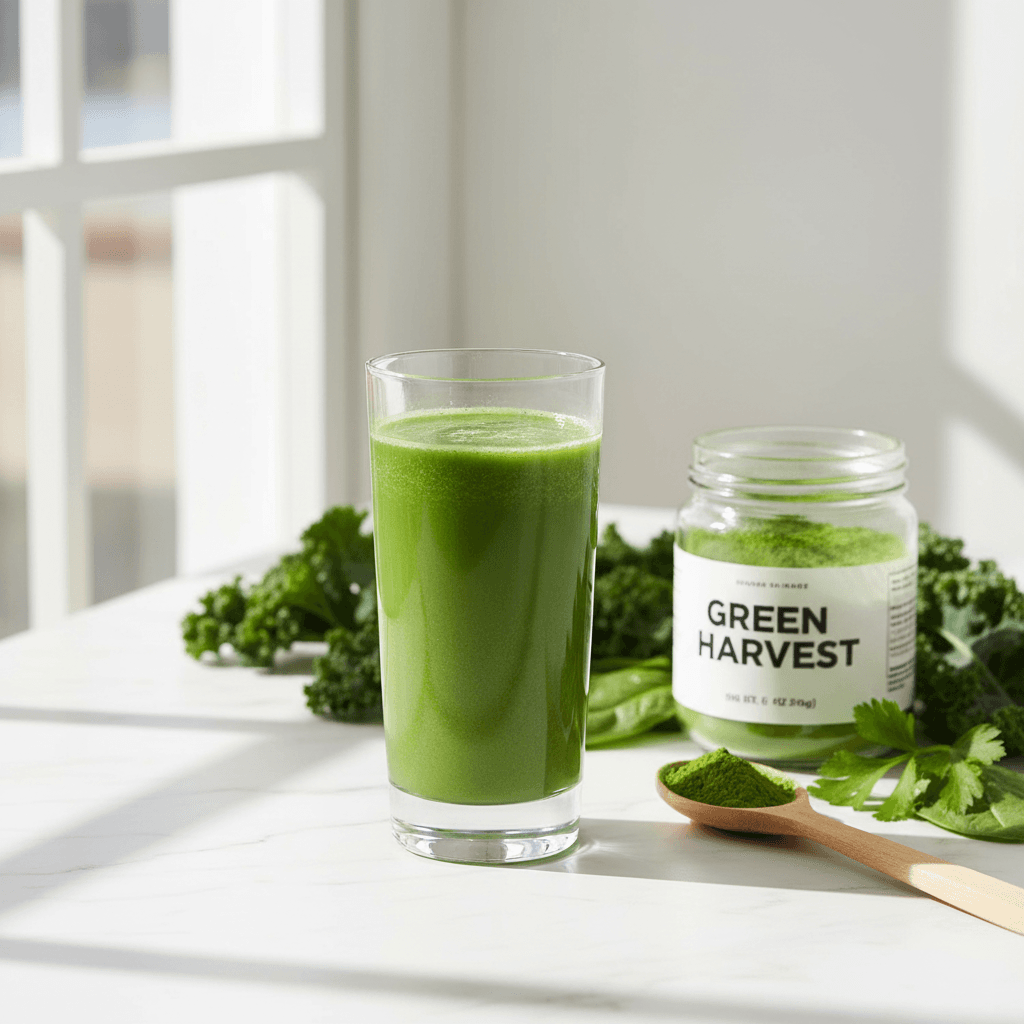
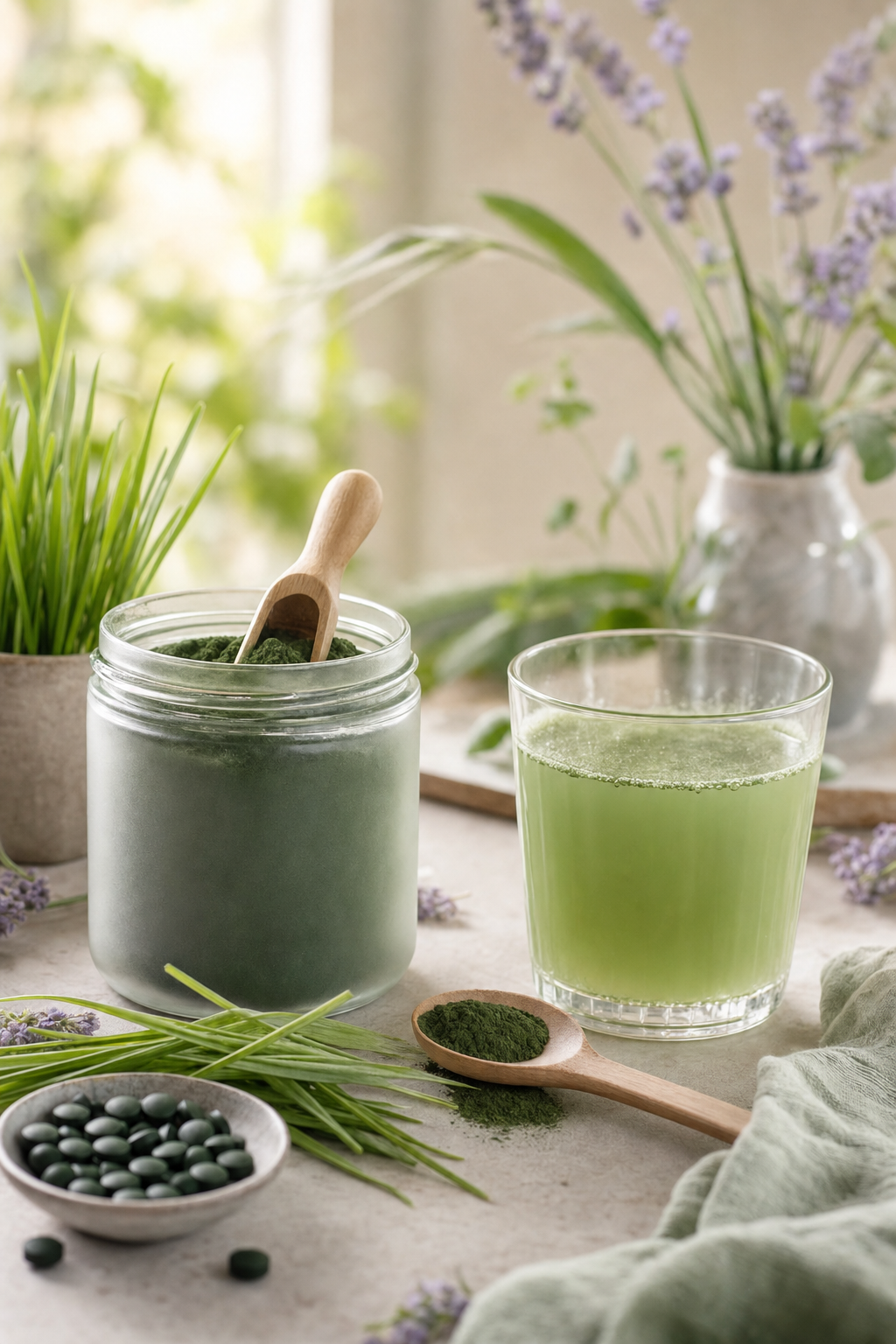
Cancer patients, individuals taking blood thinners, and those with sensitive stomachs are primarily who should not take greens powder due to potential medication interactions and digestive side effects. These supplements may interfere with cancer treatments or cause significant bloating; therefore, consulting a healthcare provider is essential before use.
Many health-conscious individuals turn to greens powders as a convenient shortcut to optimal nutrition; however, the promise of concentrated superfoods often masks significant risks for specific populations. While these nutrient-dense blends are marketed as a universal wellness solution, they contain potent levels of vitamins, herbal extracts, and adaptogens that can trigger adverse reactions or interfere with lifesaving medications. Understanding the biological impact of these supplements is essential for maintaining safety while pursuing health goals. This guide examines who should exercise caution, ranging from patients on blood thinners and those with renal concerns to expectant mothers navigating complex botanical additives. By exploring the nuances of user suitability and the importance of third-party testing, you will learn how to identify whether these supplements align with your unique medical profile or if they pose a hidden threat to your well-being.
An Honest Look at Superfood Safety and User Suitability
Greens powders have become a staple for individuals seeking to bridge the gap between their daily vegetable intake and their busy schedules. At AP Health Wellness Hub, we appreciate the convenience these blends offer for boosting energy and supporting immune function. However, the high concentration of vitamins, minerals, and herbal extracts in these products means they are not a universal solution. A product that provides a metabolic lift for one person might pose a clinical risk for another based on their specific health profile.
The goal of this guide is to move beyond the marketing hype often found on generic health sites. We want to provide clear, evidence based information to help you determine who should not take greens powder or who needs to proceed with medical oversight. While we offer a variety of natural wellness supplements, our priority is your long term health rather than a quick sale. The concentrated nature of these superfoods can interact with medications or exacerbate underlying conditions in ways that whole vegetables rarely do. This article examines specific interactions involving blood thinners, pregnancy, digestive disorders, and chronic conditions like kidney disease. By understanding these contraindications, you can build a routine that is both effective and fundamentally safe for your unique body.
The Vitamin K Factor: Why Those on Blood Thinners Should Be Cautious
One of the most significant clinical contraindications for concentrated superfoods involves their high concentration of Vitamin K. This fat soluble vitamin, naturally abundant in leafy green extracts like spinach, kale, and alfalfa, plays a vital role in the body's coagulation process by helping blood to clot. For individuals prescribed anticoagulant medications such as Warfarin, this biological function directly opposes the intended effect of their medicine. Warfarin works by inhibiting the enzymes that use Vitamin K to create clotting factors; introducing a sudden influx of the vitamin can effectively override the medication.
For patients managing their blood thickness, consistency is more important than total avoidance. Doctors typically advise patients to maintain a stable daily intake of Vitamin K so their dosage can be calibrated accordingly. The primary issue with introducing a daily scoop of greens powder is the sheer density of the nutrients. A single serving can contain several times the Vitamin K found in a standard serving of whole vegetables. This concentrated spike can lower an INR (International Normalized Ratio) score, making the blood more prone to clotting and increasing the risk of stroke or deep vein thrombosis.
When evaluating natural wellness supplements, transparency in labeling is non-negotiable. If you are on blood thinners, you are a primary example of who should not take greens powder without professional guidance. A sudden change in your dietary regimen can disrupt the delicate balance your medical team has established. Before adding any green superfood blend to your routine, consult your hematologist or primary care physician to discuss how it might impact your lab results. At AP Health Wellness Hub, we believe that informed choices are the foundation of a successful wellness routine, and ensuring your supplements work in harmony with your prescriptions is a critical step in that process.
Pregnancy and Breastfeeding: Navigating Herbal Blends and Adaptogens
While maintaining nutritional density is vital during pregnancy and lactation, the complexity of many superfood formulas requires a cautious approach. Many expectant mothers search for information on whether greens powder is safe during pregnancy, assuming that a concentrated version of spinach or broccoli is inherently beneficial. However, the distinction between whole vegetables and a processed supplement is significant. Many products on the market utilize proprietary blends that mask the exact dosages of ingredients like ashwagandha, rhodiola, or other adaptogens. These botanical extracts, while popular for stress management in the general population, have not been extensively studied for their impact on fetal development or their presence in breast milk.
Beyond herbal concerns, the manufacturing process itself presents potential risks. Low quality powders are susceptible to heavy metal contamination, including lead, arsenic, and cadmium, which can accumulate in the soil where the ingredients are grown. For a developing baby, even minute levels of these contaminants are a major health concern. Furthermore, the concentrated nature of these natural wellness supplements can lead to an intake of certain vitamins, such as Vitamin A or specific minerals, that exceeds the safe upper limits established for prenatal care.
If you are pregnant or nursing, you may be among the group of people who should not take greens powder until you have reviewed the specific ingredient list with your OBGYN. At AP Health Wellness Hub, we advocate for total label transparency. Look for formulas that avoid hidden blends and provide clear testing data. Prioritizing a clean, vetted product ensures that your efforts to support your health do not inadvertently introduce unnecessary risks to your baby.
Digestive Sensitivity: When Greens Powder Causes Bloating or Diarrhea
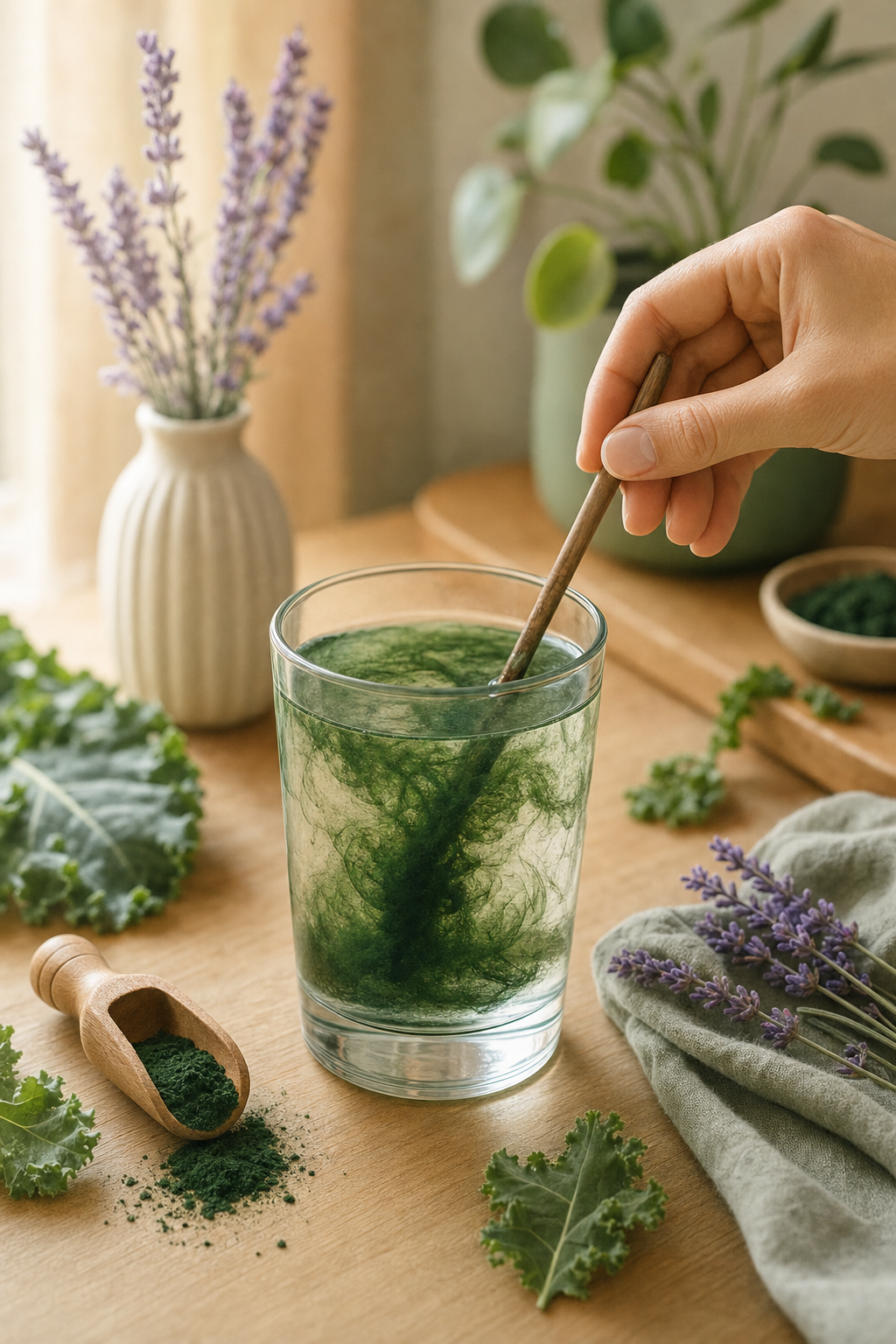
While the goal of many superfood blends is to improve gut health, for a significant number of users, the initial experience involves physical discomfort. Online forums are frequently filled with queries like "can greens powder make you sick" after users experience sudden bloating, gas, or diarrhea. This reaction often stems from the sheer density of specific ingredients that, while natural, are highly fermentable. Individuals with Irritable Bowel Syndrome (IBS) or general digestive sensitivity are often at the top of the list for who should not take greens powder without a careful, measured transition period.
The primary culprits are often added prebiotics like inulin, also known as chicory root, and sugar alcohols used for calorie-free flavoring. Inulin is a type of fiber that ferments rapidly in the large intestine. While this process is intended to feed beneficial bacteria, in sensitive individuals, it creates a byproduct of gas and a fluid shift that leads to painful distension or urgent bowel movements. Additionally, many natural wellness supplements include fermented grasses or raw cruciferous vegetable extracts that can paradoxically overwhelm a gut already struggling with microbial imbalance.
To mitigate these effects, AP Health Wellness Hub recommends a "low and slow" approach. If you are prone to bloating, start with a half scoop to allow your microbiome to adjust to the increased fiber load. Examine labels carefully for sugar alcohols like xylitol or erythritol, which can act as osmotic laxatives. For those seeking more targeted relief without the complexity of a 50-ingredient blend, exploring specific digestive support supplements may be a more comfortable starting point. If symptoms persist even at reduced doses, your digestive tract may require a simpler formula with fewer fermented components.
Specific Medical Conditions: Kidney Health and Cancer Treatment
Beyond gastrointestinal discomfort, two specific clinical categories require strict medical consultation before starting a regimen of natural wellness supplements. According to research from MD Anderson, patients undergoing active cancer treatment should generally avoid greens powders. While antioxidants are usually prized for cellular protection, their high concentrations in superfood blends can inadvertently protect cancer cells from the oxidative stress used by chemotherapy and radiation to destroy tumors. This biological shield can diminish the efficacy of the treatment, potentially shielding the very cells the therapy is designed to eliminate.
Similarly, individuals managing chronic kidney disease (CKD) are another critical group regarding who should not take greens powder without professional clearance. These concentrated formulas often contain significant amounts of potassium and oxalates, minerals that the kidneys must filter meticulously. In a compromised renal system, potassium can accumulate to dangerous levels, while high oxalate intake increases the risk of calcium oxalate kidney stones. Cleveland Clinic notes that even natural ingredients can stress the kidneys when delivered in such a dense, supplemental format. If you are managing a complex diagnosis, the team at AP Health Wellness Hub emphasizes that medical supervision is not optional; your oncologist or nephrologist must review the full nutrient profile to ensure it does not conflict with your clinical management plan.
How to Spot a Quality Supplement: Third Party Testing and Transparency
Choosing a supplement requires looking past vibrant packaging to find evidence of rigorous quality control. The gold standard for safety is third party testing conducted by independent organizations such as NSF, Informed Choice, or USP. These certifications verify that the product contains the ingredients listed and, crucially, that it is free from harmful levels of contaminants like lead, mercury, or pesticides. Because plants absorb minerals from the soil, concentrated powders can inadvertently concentrate heavy metals, making independent verification essential for long term safety.
You should also be wary of labels listing proprietary blends. These groupings allow manufacturers to hide the specific dosages of individual ingredients under a single total weight. For individuals trying to determine who should not take greens powder based on specific nutrient sensitivities, these hidden amounts are a significant risk. If you cannot see exactly how much Vitamin K or ashwagandha is in a serving, you cannot accurately assess its safety with your healthcare provider.
At AP Health Wellness Hub , we prioritize transparency for every customer, whether you shop with us online or browse our selection from anywhere in the country. We source natural wellness supplements that emphasize clear labeling and independent testing.
While greens powders offer a concentrated boost of nutrients, they are not a universal solution for everyone. Understanding your specific health needs and potential contraindications is essential before adding any new supplement to your daily routine. If you want expert help choosing the right formulations for your unique lifestyle, we are here to support your journey. You can explore our curated selection of Products to find high quality options that align with your wellness goals. Your health deserves a personalized and safe approach to supplementation.